Introduction
In today's financial landscape, understanding the interplay between credit scores and bonding is crucial for contractors, businesses, and individuals alike. The concept of bonding—particularly in industries like construction—often goes hand-in-hand with a contractor's creditworthiness. A solid credit score can significantly impact a contractor’s ability to secure necessary bonding and, consequently, contractor bond insurance. This article delves deep into these interconnected subjects, illuminating how they influence each other and what stakeholders need to know to navigate this complex terrain successfully.
Understanding Credit Scores: What Are They?
Defining Credit Scores
A credit score is a numerical representation of an individual's or business's creditworthiness, generated based on their credit history. Ranging from 300 to 850, these scores consider various factors including payment history, amounts owed, length of credit history, new credit inquiries, and types of credit used.
The Importance of Credit Scores
Credit scores serve as a vital tool for lenders to evaluate risk when extending loans or providing services. Higher scores typically translate into better interest rates and terms. Conversely, lower scores may result in denial of applications or higher premiums for services such as contractor bond insurance.
How Are Credit Scores Calculated?
Credit scoring models vary but generally include:
- Payment History (35%): Timely payments boost scores. Amount Owed (30%): Lower balances relative to available credit positively influence scores. Length of Credit History (15%): Longer histories are preferable. New Credit (10%): Multiple inquiries can lower scores. Types of Credit (10%): A diverse mix is beneficial.
Key Takeaway
Understanding your credit score is fundamental; it lays the groundwork for various financial decisions, particularly regarding bonding.
Exploring the Relationship Between Credit Scores and Bonding
What Is Bonding?
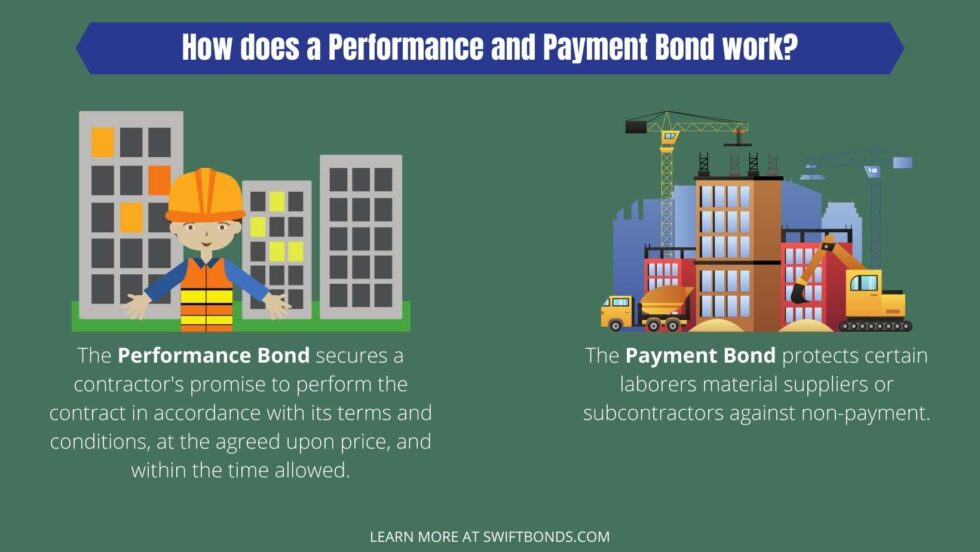
Bonding refers to a contractual agreement where one party obtains a bond from another party guaranteeing satisfactory completion of work. In construction, this often includes performance bonds that assure project owners that contractors will fulfill their obligations.
The Role of Contractor Bond Insurance
Contractor bond insurance protects clients against losses incurred if a contractor fails to meet contractual obligations. It mitigates risks associated with project non-completion or poor workmanship.
How Do Credit Scores Affect Bonding?
Contractors with higher credit scores often find it easier to obtain bonds at favorable rates. Insurers assess risk based on financial stability; hence a low score might signal potential issues in fulfilling contractual obligations.
Case Study: High vs Low Credit Score Impact on Bonding
| Factor | High Credit Score | Low Credit Score | |---------------------------|-------------------|------------------| | Approval Rate | 90% | 50% | | Average Premium | $1,000 | $2,500 | | Project Types Accessible | All | Limited |
Conclusion
A strong relationship exists between credit scores and bonding capabilities. Contractors must prioritize maintaining good credit to enhance their chances in securing essential bonds.
Factors Influencing Bonding Requirements
State Regulations on Contractor Bonds
Different states have varying regulations concerning bonding requirements for contractors. Some may require certain bond types before issuing licenses while others may have more lenient rules.
Industry Standards for Bonds
Certain industries have established benchmarks for acceptable bonding practices. For example, construction projects typically demand performance bonds worth a percentage of the contract value.
The Role of Financial Statements in Bond Applications
When applying for bonds, contractors often need to submit financial statements that provide insight into their economic health—another layer where good credit can play a pivotal role.
Importance of Previous Project Performance Record
A solid track record on previous jobs builds trust with surety companies and can positively influence the bonding process—even more so than just having a great credit score alone.
Credit Score Myths Debunked in Relation to Bonding
Myth 1: Only Personal Credit Matters for Contractors
While personal credit plays an important role in bonding decisions especially for sole proprietors or small businesses, business credit is equally critical. Establishing business lines of credit can improve your standing with surety companies.
Myth 2: Checking Your Own Score Will Hurt It
This misconception often prevents individuals from monitoring their financial health effectively. Checking your own score via soft inquiries does not affect your overall rating at all!
Myth 3: Paying Off Debt Immediately Guarantees a Higher Score Instantly
Debt repayment is essential but it’s important to understand that changes in your score take time—patterns over months influence scoring metrics rather than isolated events.
Strategies for Improving Your Credit Score Before Seeking Bonds
Regularly Check Your Credit Report
Regular reviews help you catch errors early! Dispute inaccuracies immediately as they can drag down your score unjustly.
Steps:
Obtain free reports annually from authorized websites. Review all entries carefully. Dispute any discrepancies promptly.Reduce Outstanding Debt Levels
Aim for reducing debt-to-income ratios by paying down existing debts proactively rather than waiting until you're ready to apply for bonds.
Tips:
- Prioritize high-interest debts first. Create repayment plans with achievable milestones.
Timely Payments Matter! Don't Miss Them!
Make payments on time consistently—this aspect alone constitutes over one-third of your total score!
Strategies:
- Set up automatic payments. Use reminders on your phone or calendar apps!
FAQs About Credit Scores and Bonding
What are the minimum required credit scores for obtaining contractor bonds?
Most surety companies prefer applicants with scores above 650; however specifics can vary based on industry norms and state laws.
How long does it take to improve my credit score?
Improvement timelines vary widely depending on existing debts but consistent efforts over six months typically yield noticeable changes!
Can I still get bonded with bad credit?
Yes! However expect higher premiums or limited options; some sureties specialize in high-risk clients willing to take those risks!
Does bankruptcy affect my ability to obtain bonds?
Absolutely—it severely impacts your credibility initially but rebuilding takes place over time through responsible financial behavior post-bankruptcy!
What other factors do surety companies consider besides my credit score?
Sureties review past performance records, project types involved previously & overall financial health through submitted documentation like tax returns/financial statements too!
li18/ol2/##
Conclusion
Understanding the intricate relationship between credit scores and bonding is not only essential but may very well define the success of contractors operating within competitive markets today! By maintaining healthy credit ratings, tracking financial progress diligently & being proactive about improving one’s standing when needed–individuals set themselves up favorably against industry standards while maximizing opportunities available through contractor bond insurance.
Navigating this complex interplay requires diligence but yields significant benefits down the line both personally/professionally—let’s face it; who doesn’t want peace-of-mind knowing they’ve got all bases covered before license and permit bonds taking on new endeavors?
By focusing efforts here now—everybody wins!